Lines of Inheritance
ca.dao is an emerging ink artist and cultural mediator who lifts traditional Vietnamese heritage into new poetic forms.
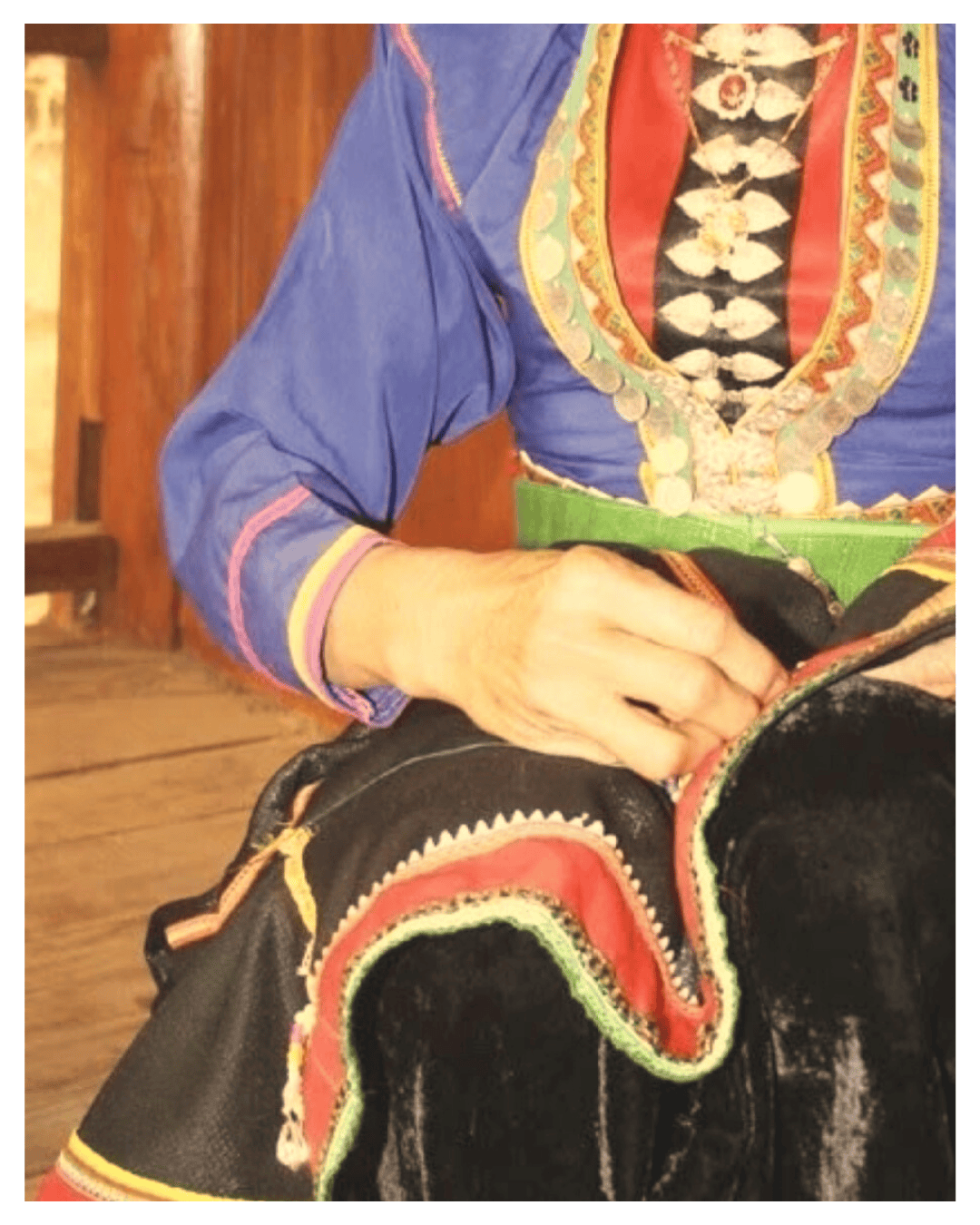
Tattoos have long outlined identities, holding the stories of diverse cultures and linking people to their ancestors, their beliefs, and the quiet sense of belonging.
From the self to the public, they carry individual meaning and communal understandings of religious rituals, spiritual protection, or artistic signatures. Yet, in some societies, tattoos remain associated with deviance and unconventional attitudes. Whether or not they are a statement of societal resistance, many aesthetic choices can be traced back to cultural heritage.
Ink artists imprint their views of the world, their own handwriting, and mark their personal pieces onto the skin. Each tattoo, like an intimate canvas, carries both inspiration and connection to people and their history.
For some, it is a hidden keepsake, a quiet secret beneath clothing, noticeable only when one looks closely. While others declare their tattoos as accessories, proudly sharing all the meanings and memories behind them. Trends shift, and aesthetic uniqueness deepens. What shapes an artist’s signature is the way they inhabit their own identity.
ca.dao is an emerging artist and cultural mediator who lifts traditional Vietnamese heritage into new poetic forms, allowing it to unfold across different dimensions of meaning and remembrance.
Her inspiration draws from the traditional woven art of Vietnamese ethnic groups, transforming geometric symbols and their layers of meaning into redefined expressions of collective hopes for peace, good fortune, and blessings.
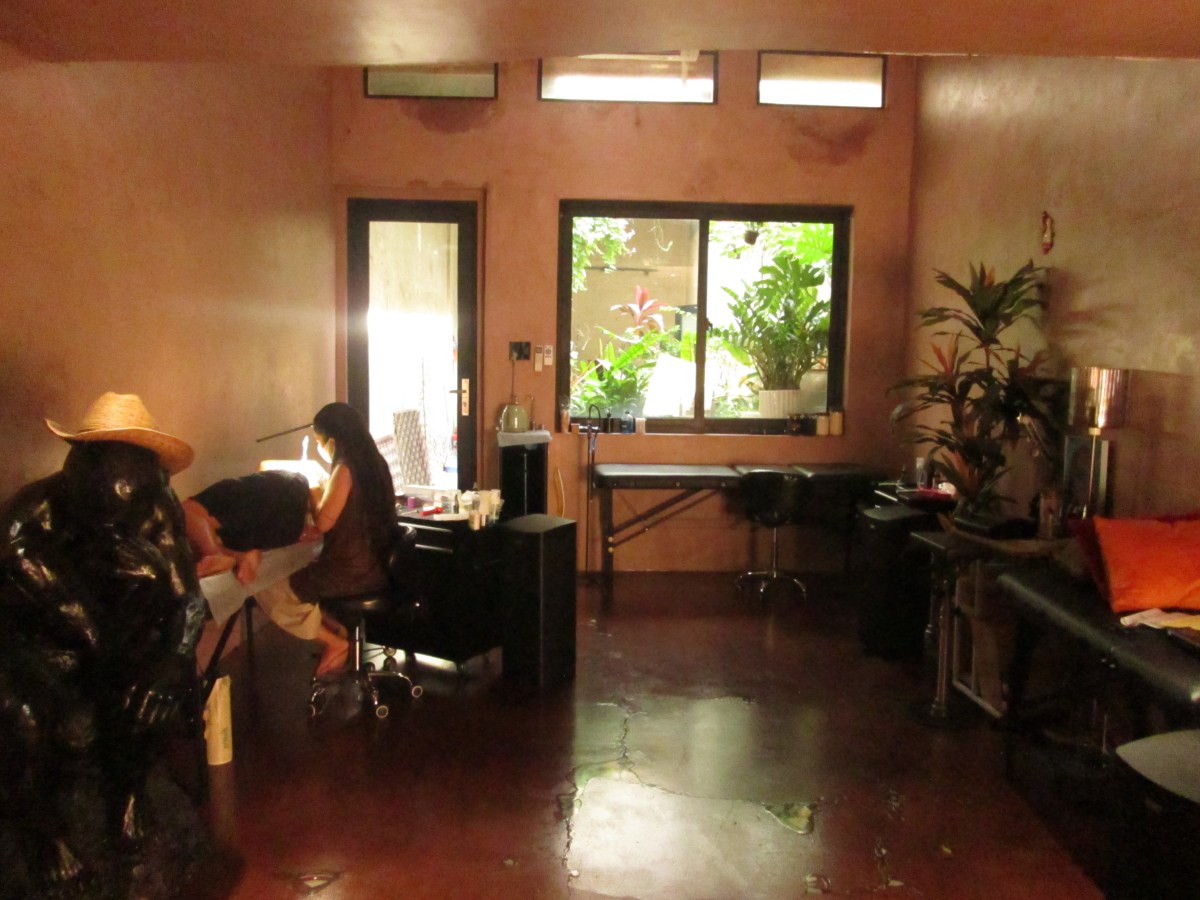
“My identity rests in how I feel and observe the world. Every line I draw holds a certain sincerity, an emotional rhythm that connects me to the person on the other side of the needle.”
ca.dao
Travelling across the country and engaging with different communities profoundly shaped her artistic direction. From Vietnam’s fifty-four ethnic groups flows a rich cultural heritage, held in languages, artefacts, and long-rooted traditions. In their woven fabrics, symbols tell the stories of communities, shaped in thread, pattern, and patient handwork. Anchored in the lineage of these craft traditions, ca.dao carried her passion from drawing into tattoo art.
With the guidance and devotion of her mentor and life companion, she stepped into Saigon’s creative community @th.ink.room, a space of communal exchange, experimentation, and artistic evolution, where her practice could truly take form.
Her rare process emerges through linocut: moving from carved block to living skin, turning motifs from heritage into hand-poked tattoos, and allowing such inheritances to be carried, lived with, and passed on.
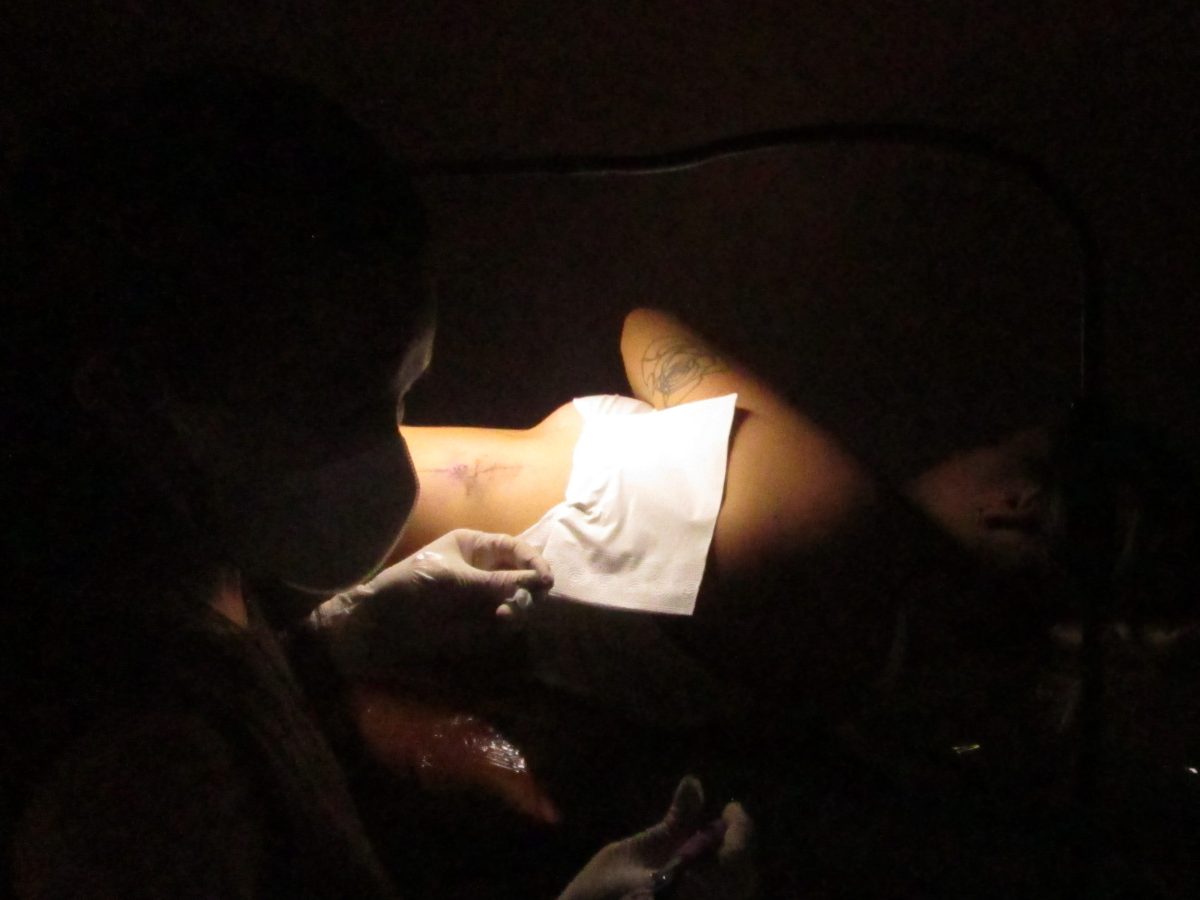
“For me, the charm of linocut lies in its rhythm, the deliberate pace, the meticulous carving, the steady movement of hand and breath.”
ca.dao
While Vietnam’s ethnic communities hold rich cultural heritage, many of their traditions face societal invisibility and quietly fade from view.
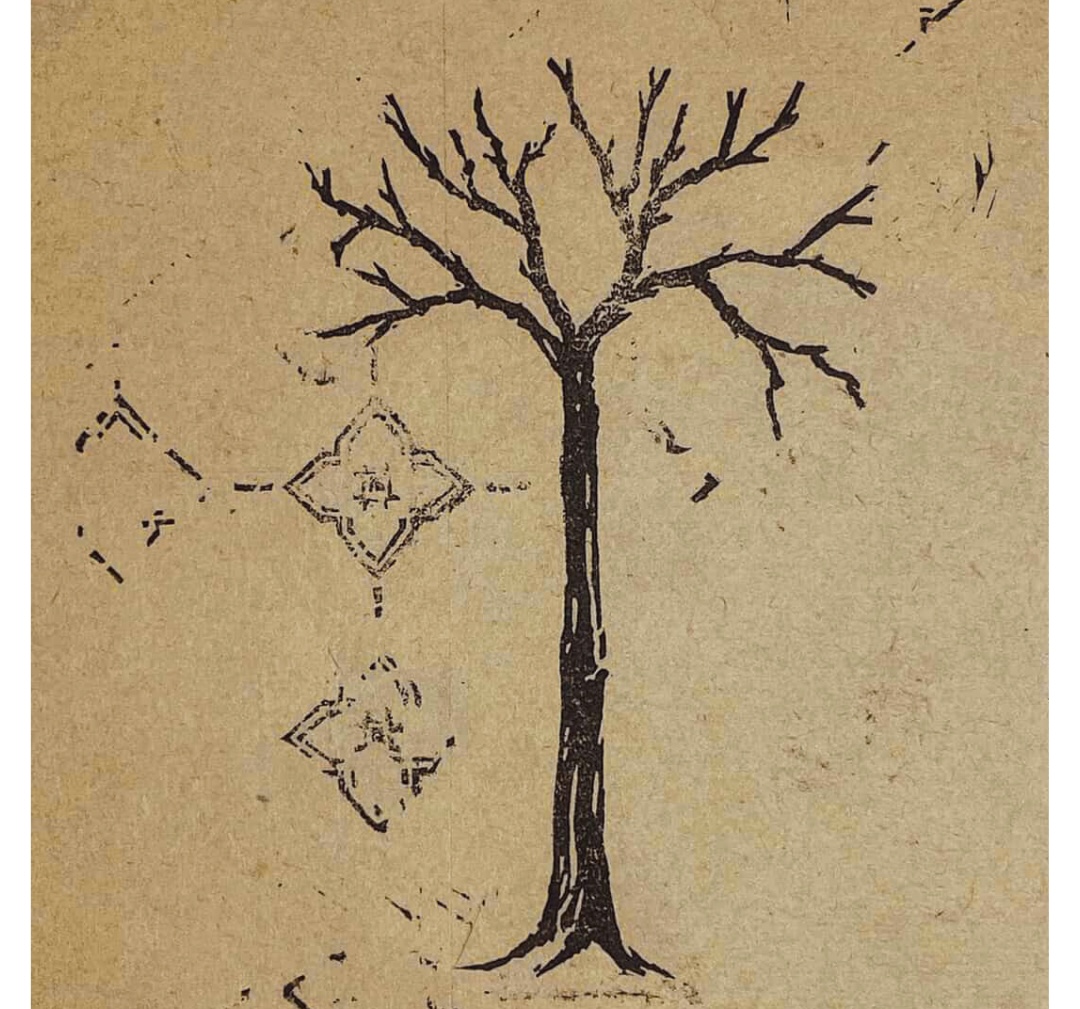
“Giving them space in today’s visual landscape feels like a small way of keeping those stories breathing.”
ca.dao
Traditions live and last through the hands of generations, in the quiet ways they rediscover traditions and retell them without letting their essence fade. Through tattoo art, especially this form of cultural storytelling, people learn from one another, shaping their own interpretations and allowing meanings to blend across backgrounds and personal histories. There are no boundaries for reinterpretation when it is renewed with care and awareness.
“Culture is my foundation, style is my expression.”
ca.dao
As she describes the force behind her work, culture is not a fixed monument, but a living body, something that breathes, shifts, and ultimately adapts. There is more universality in motifs than most people realise. Despite their specific origins, they speak to something deeply human: the desire to understand oneself and to remember in the midst of life.
When such visual languages reappear in contemporary form, they renew cultural belonging. They allow minority traditions to be seen, recognised, and carried into new contexts that spark curiosity, resonance, and continuity.
A living heritage, carried forward one line at a time.

