Elusive Authenticity
On travel, privilege, and why authenticity is not something we can own.
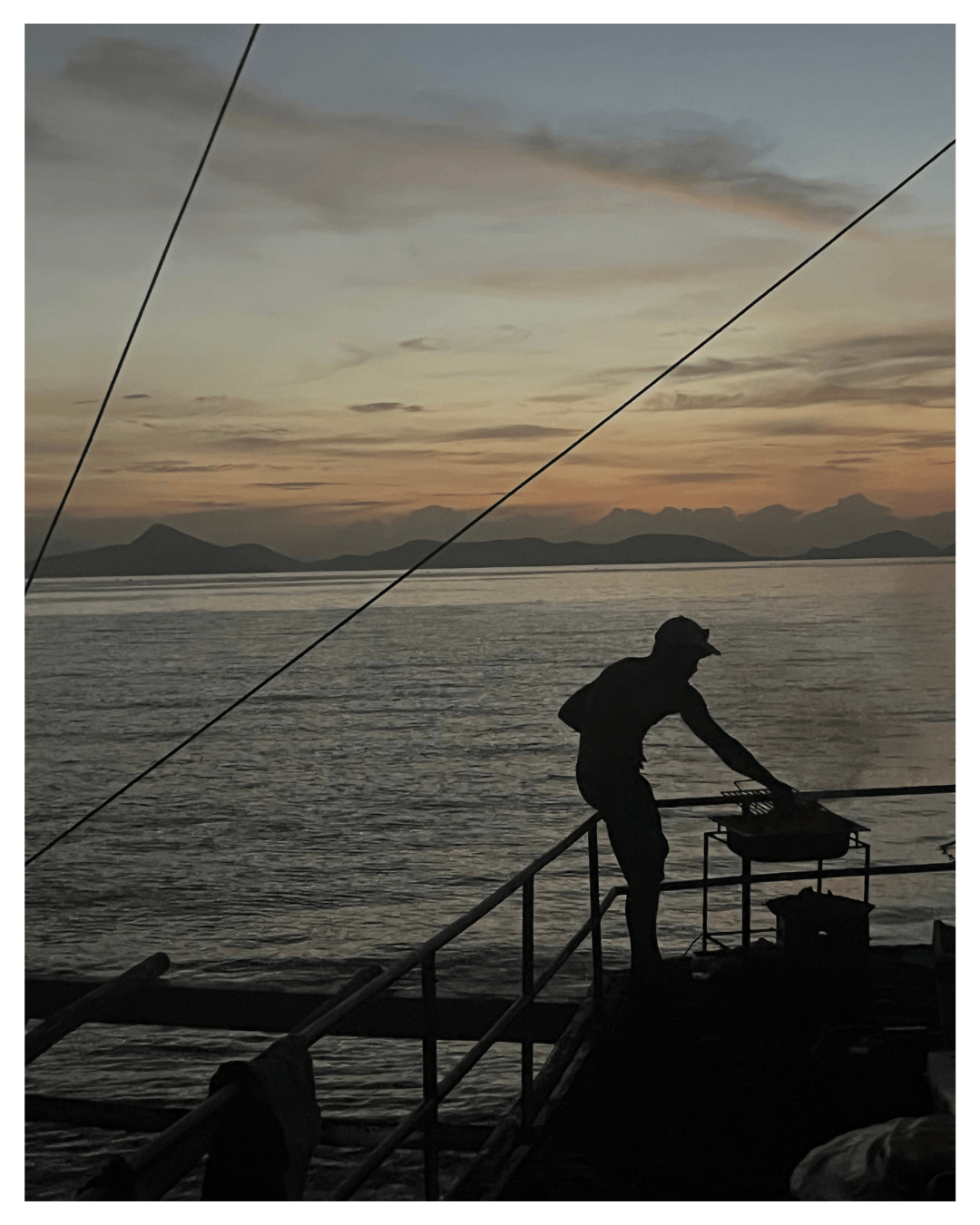
Moving through places, diving into new cultures and structures, and perhaps falling for this way of living that is far from your own reality. By choice, you leave your comfort zone to explore what is so different from your habitat. You want to experience the authenticity of the simple life.
For many, this is what vacation looks like.
Yet sometimes it remains elusive. It’s not a matter of the time you spend abroad. It can be just a moment, an interaction. It’s about the sensation and connection you feel in these moments. Some people talk about the feeling of finally being able to breathe again. Recovering from their daily lives, their home reality, which they often describe as worse. Stressful and rushed.
Maybe we are escaping.
Abroad, you feel growth and inspiration emerging from new circumstances, and you are so touched by the hospitality of people you barely know, but who are so warm to you. You want to share all of this with your reality, your friends, and family. This journey, the many impressions and stories. But they won’t fully understand. Maybe they do, because you begin to capture the beauty of nature and people. You capture how happy you are and how easy everything feels.
Purity.
It’s about the aesthetic of the chaos, the aesthetic of the surroundings, the food. The colors and the contrasts. But you can never truly deliver this feeling. Not the real one.
We see so much from travellers that moves us to pack our things and follow their routes. People share their recommendations, accommodations, the secret places they have discovered, the special friends they’ve met, and how they actually gathered the courage to take this trip to challenge themselves. And that’s about it. People should be encouraged to do the same. To do something unusual.
To leave their comfort zone and be surprised by themselves. To learn and adapt.
Those memories will remain forever.
But all of this is a privilege, often overshadowed by easy representations that suggest everyone could just do it — which is not true. It is a privilege of freedom to travel. To balance between your reality and your journey. There is financial freedom in affording the journey. Emotional freedom in being able to leave something behind. You may not be able to give up your home unless you know this new place could become one. There are many more sacrifices when leaving.
And, most quietly, the privilege of access to other countries.
The world is marked by constant change, and travelling appears easier, more affordable, and more exciting.
While all these discussions on globalization and digital networks highlight the connectivity of countries across borders, one conflict after another reinforces separation. Politically and socially.
Travelling becomes somewhat luxurious.
The lifestyle you allow yourself while traveling. The authentic experience and the fancy pleasure. You may sometimes live more expansively than you would back home, simply because there you might not eat out three times a day. But here, the food is different. So good that you don’t want to miss out. It is part of the culture.
Still, there is also a desire for non-local food. The breakfast bowl. The oat milk cappuccino. But then, you find yourself around all the other tourists and nomads.
Is this still local?
We often want to protect authentic places, keeping them untouched and undiscovered, perhaps special. We care, so we gatekeep.
It is the desire from a genuine place. From wanting it to remain what it is.
This desire can be egoistic.
We romanticize the secret and unknown. But the popularity of places leads to developments that are essential for many communities. Tourism creates work. Visibility brings income. Ultimately, preservation quietly denies others the opportunity to grow, to benefit, to choose change on their own terms.
The discomfort may lie in realizing that authenticity is not something we can own. It is lived, negotiated, and constantly reshaped. Wanting a place to stay the same often means wanting it to stay convenient for ourselves. Responsibility, then, does not necessarily rest in withholding attention, but in paying it differently.
Moving with awareness.
Progress is unavoidable. Places will change. To be part of thoughtful development is to move with awareness. And if you are sensitive enough to ask what your presence means, you are already capable of shaping that change carefully.

