Symbiotic Culture
In Siargao, livelihoods are closely tied to nature. A dialogue with Lokal Lab on regeneration, tourism and local agency.
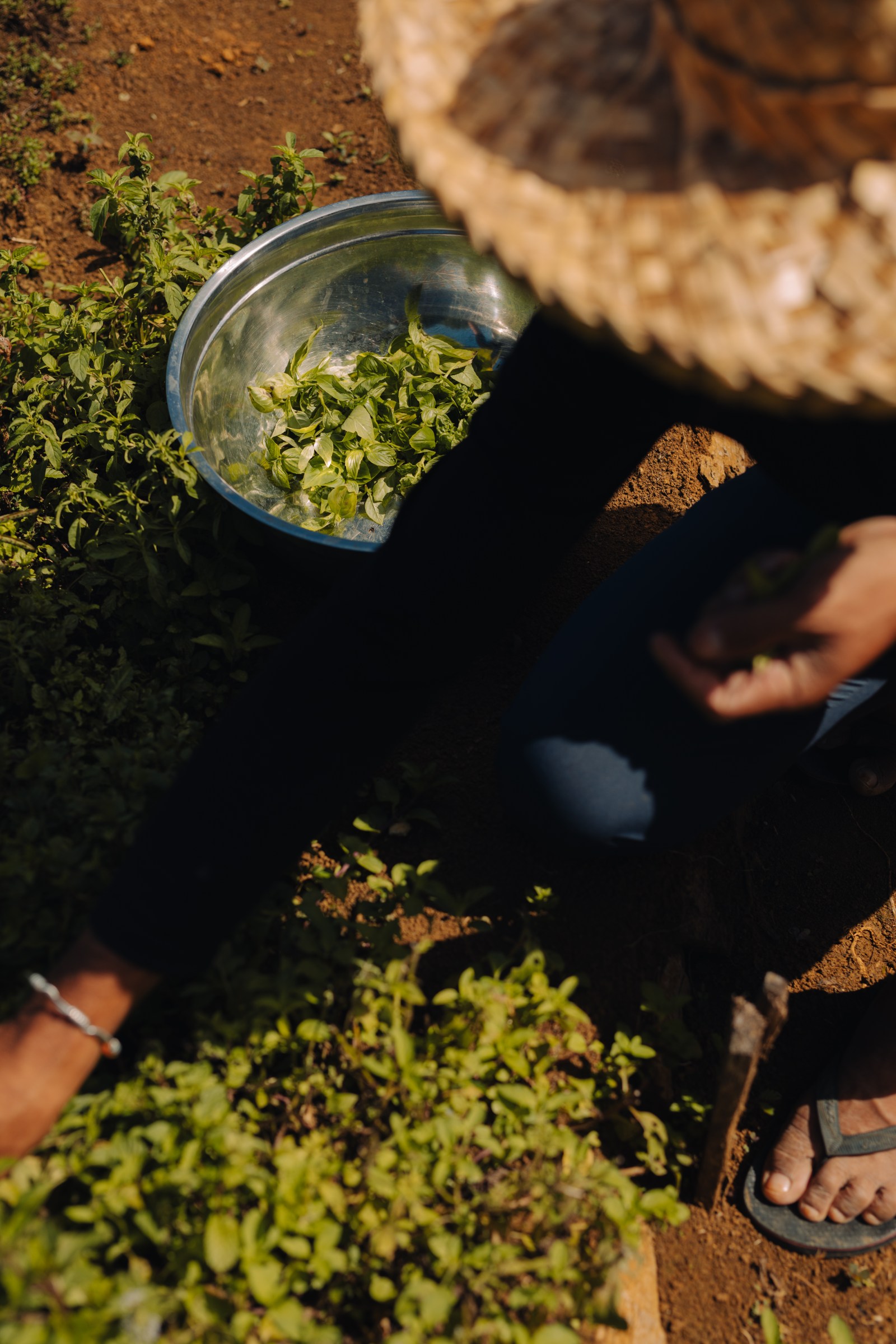
Here, livelihoods are closely tied to nature, shaping the island’s culture, hospitality, and the way it is built and lived. Life unfolds in close relationship with the land and its resources, forming strong community ties. In dialogue, generations pass down traditional knowledge of agriculture and craftsmanship, adapting to the climate and its necessities. Many of these practices remain in use today. Yet they are increasingly challenged by globalization and tourism, as linear systems of consumption shift dependency outward, away from local ecosystems and toward imported goods and external expectations.
Siargao welcomes its visitors in growing numbers. With them come opportunities, and quieter shifts in the island’s rhythms and resources. Responding to people’s demands for Western food and comforts may seem harmless to some, but it causes real consequences for local communities. Imported food, materials, and consumer goods increase local waste and interrupt regenerative cycles that island communities have relied on for generations. What feels like tourist convenience quietly undermines long-term sustainability.
“We’re not going to be able to shape tourism. We’re trying to establish what Siargao is. So if you come to Siargao, you come for Siargao. If you come to Siargao for Bali, you’re not going to find what you’re looking for.”
Mark Pintucan, Lokal Lab Co-Founder
Within this tension, Lokal Lab was founded, operating not as a reactive space but as a holistic response that reconnects culture, climate, and community, while inviting locals and visitors alike to rethink how they participate in the island life.
By forming a bridge back toward circularity, advocating education, experimentation, and discovery of Siargao’s rich heritage, Lokal Lab combines traditional expertise with innovation and grounding learning in nature-based perspectives.
“We wanted to be able to provide a tool to protect as much as possible of what is happening here. Not as a savior but as a platform to be able to show something different could work.”
Mark Pintucan, Lokal Lab Co-Founder
At the heart of Lokal Lab’s work is practice. By addressing the structural roots of extractive land-use systems, Lokal Lab creates space for systemic change across farming, land use, and local livelihoods, shaped and governed collectively by the communities most affected.
Through the Tropical Academy, a sustainable food system unfolds, teaching how to harvest, prepare, and compost local ingredients with a profound understanding of efforts and effects.
“Everybody should know about climate change, about pollution, gentrification, and exploitation. So if we know all these problems, we can finally focus more on the solutions. This is where Local Lab comes in.”
Mark Pintucan, Lokal Lab Co-Founder
Such self-sustainability strengthens shared responsibilities and social balance through collective participation. Moving away from the biased assumption that a farm needs to look ‘clean’, without any natural mess, Lokal Lab exemplifies sustainable alternatives to farmers to prove that it eventually works without monocrops.
As land pressures still rise, many farmers lose access to their fields and risk becoming employees rather than independent producers. Gradually, some begin adapting regenerative systems to their own land, weaving themselves into a network that cultivates pride and a renewed sense of belonging. Slowly, farming becomes a way to reclaim agency. It is no longer perceived as a burden, but as a viable and dignified path.
While families have long encouraged younger generations to seek opportunities elsewhere, interest in farming among young people has steadily declined. Initiatives like the Tropical Academy invite a new generation to reimagine agriculture as a space for independence and experimentation, giving the rebellious spirit a new direction.
For some, this means individual milestones: being able to afford a plane ticket, purchasing a tuk-tuk, and supporting their families. On a communal level, it strengthens the collective voice of farmers and earns recognition from local government as a sustainable system that works.
“Siargao is Siargao. And the reason it is Siargao is because of the people living here.”
Mark Pintucan, Lokal Lab Co-Founder
It requires awareness, adapting to the pace of nature.
Local experiences shape Siargao’s present, where recurring typhoons continually remind communities of their interdependence.
Nature is not peripheral here. It matters most.
But some challenges persist and require sustained attention:
Waste segregation and the understanding of composting are still uneven. Thus, Lokal Lab studies the underlying reasons in order to design communication campaigns that teach and demonstrate the benefits for communities.
“Is it a lack of knowledge, is it a lack of desire, do they not know what happens with the waste, or is it that they think that it all ends up in the same place?”
Mark Pintucan, Lokal Lab Co-Founder
From both sides, locals and visitors, are invited to rethink how they engage with the island.
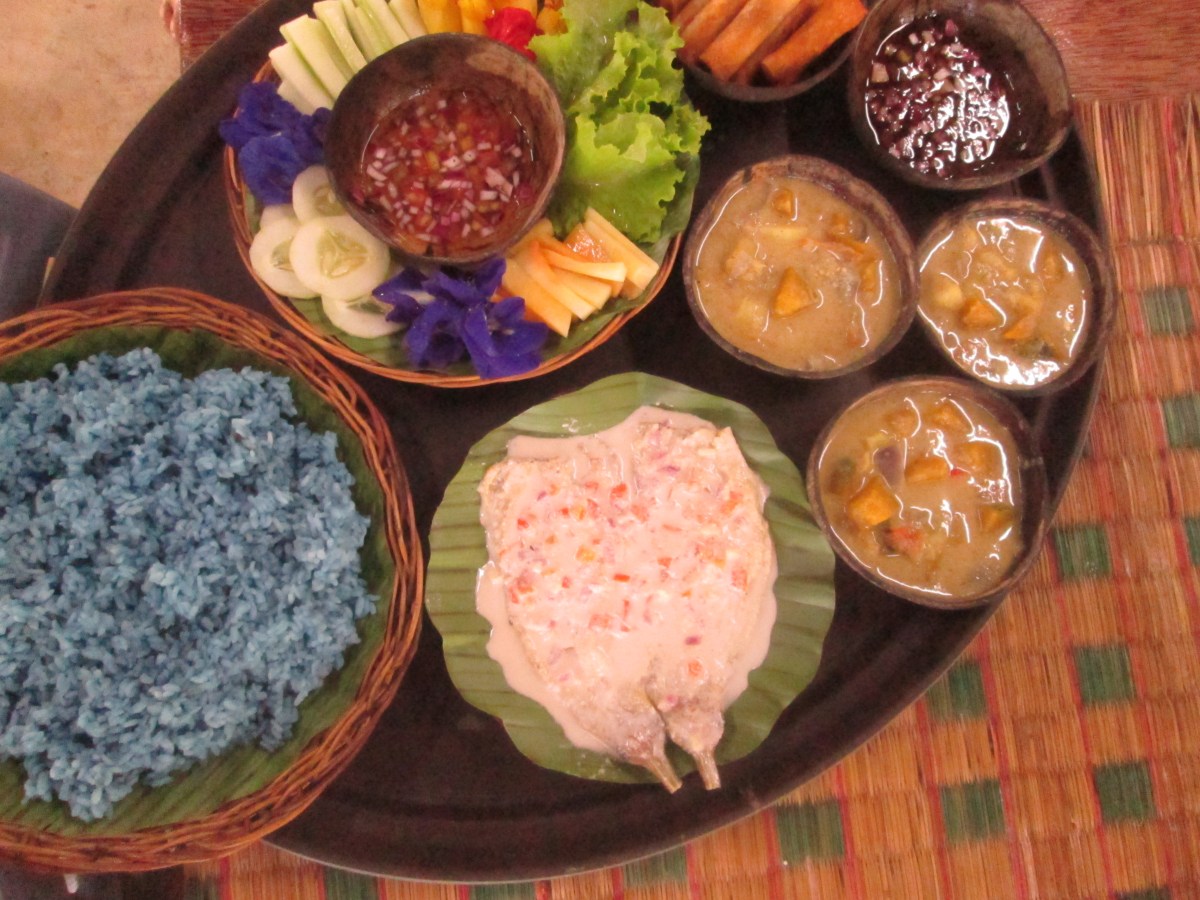
A menu built around island-grown ingredients sparks appreciation for traditional flavors and the knowledge embedded within them, preserving cultural heritage while reinforcing ecological awareness.
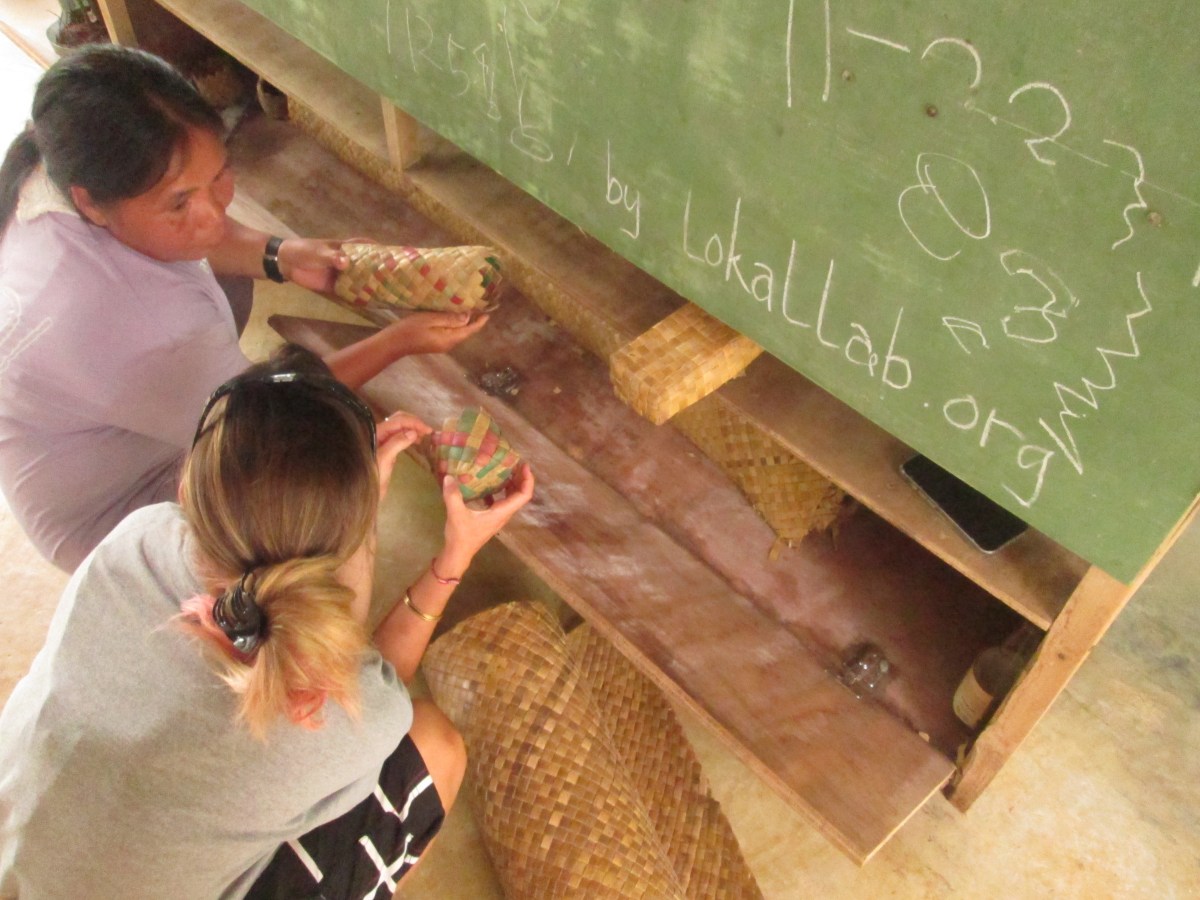
Weaving workshops reconnect participants to materials harvested by hand. Community markets create direct exchanges between farmers and consumers.
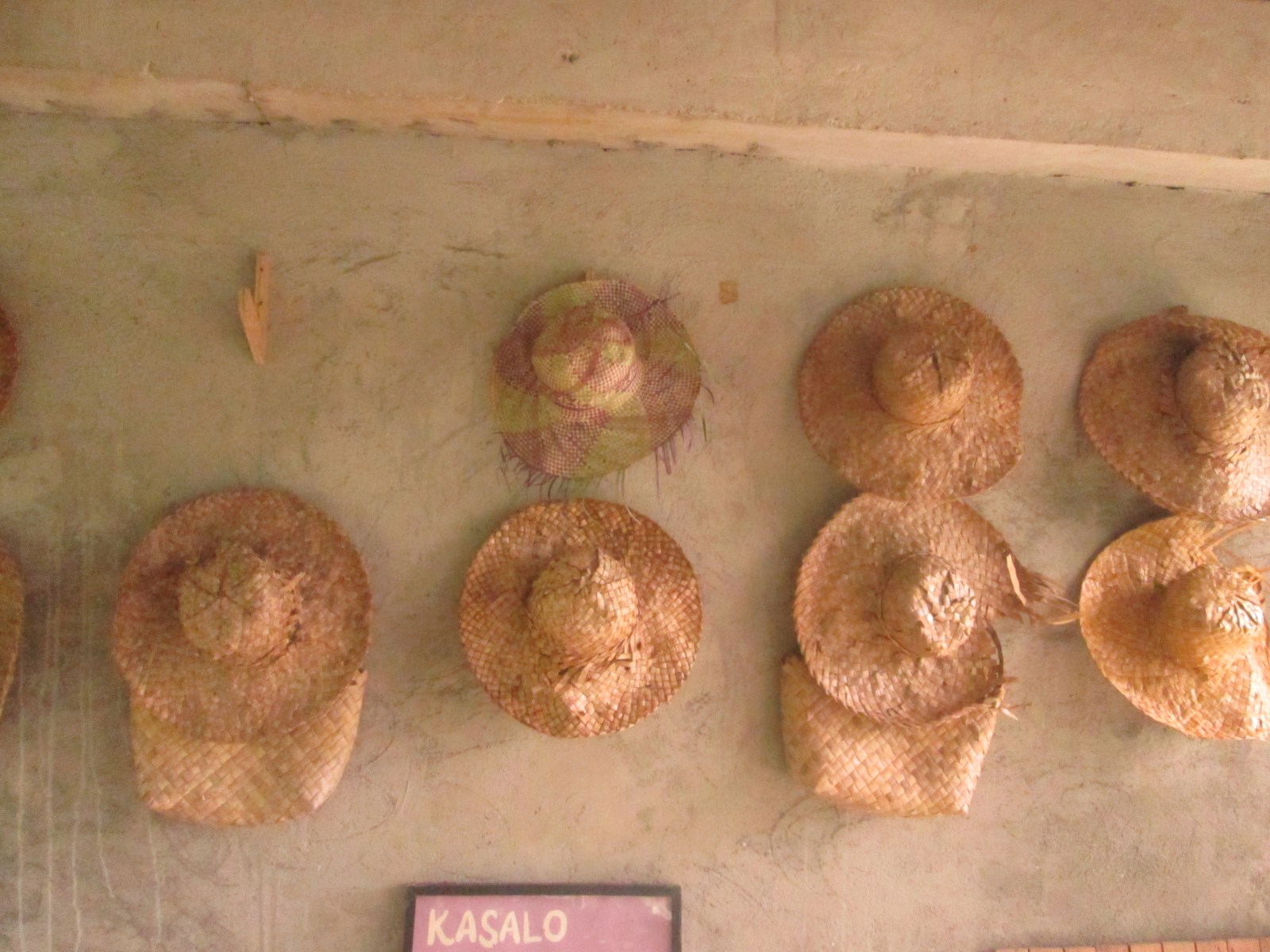
Through these encounters, sustainability moves beyond theory and becomes something to experience.
Rooted in shared values of regeneration, equity, and local agency, Lokal Lab extends this dialogue beyond Siargao.
Through international collaborations and knowledge exchanges, it brings the lived realities of Siargao into global conversations on food systems and climate adaptation.
In doing so, Lokal Lab drives significant change locally while reframing how development across the Philippines can be imagined. Not through intervention but through empowerment.
“The ideal future is that Lokal Lab disappears because there’s no longer a need for it.”
Mark Pintucan, Lokal Lab Co-Founder
A future where care has become culture.

